ISO Tank Baffles: Managing Liquid Movement for Safer Transport
The Challenge No One Sees
In liquid logistics, most conversations focus on tank strength, capacity, and compliance. But there's a less visible factor that's just as critical — what's happening inside the tank while it moves. That internal dynamic directly affects how safely and efficiently cargo is transported.
Liquids Don't Travel Quietly
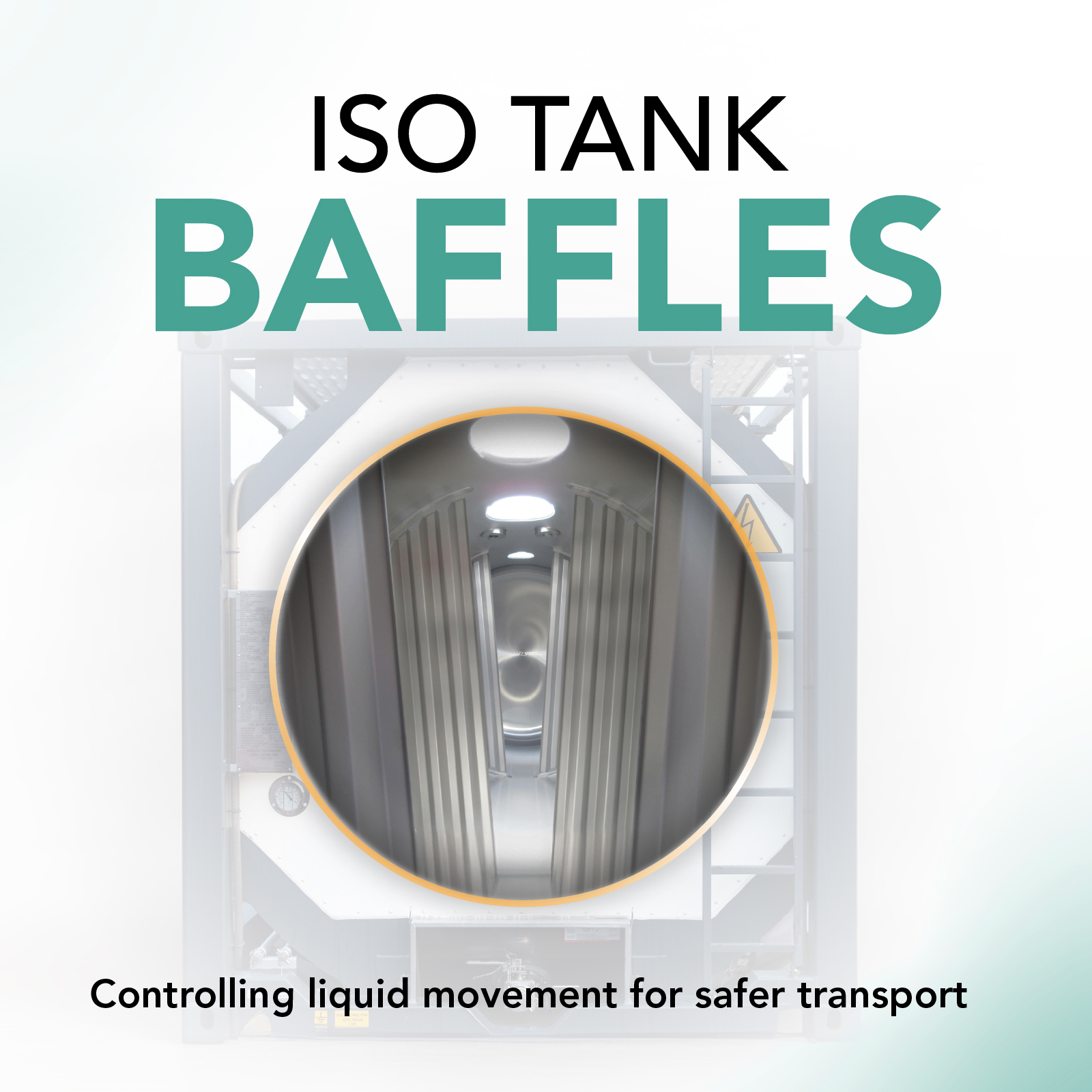
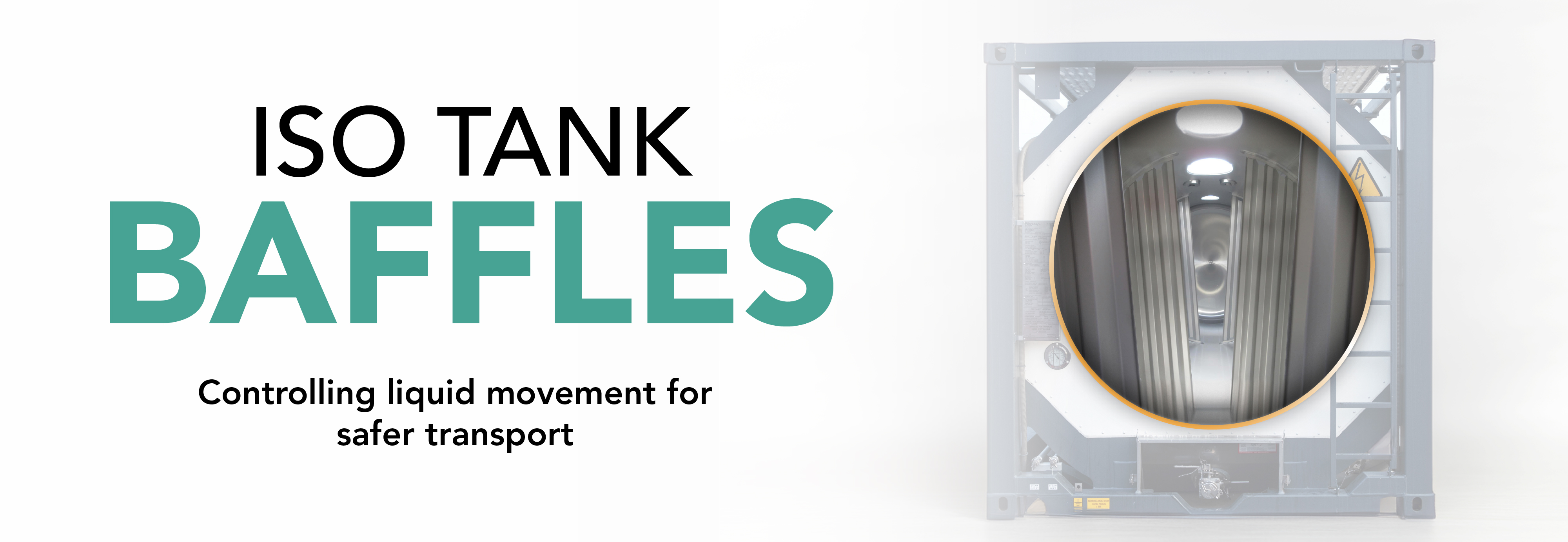
Liquids continuously respond to motion. Every brake, acceleration, and turn creates internal forces inside the tank. ISO tank baffles manage this behaviour by reducing the intensity of those forces — creating a more stable and predictable transport environment.
Why Partial Filling Changes the Equation
A partially filled tank gives liquid room to build momentum, resulting in surge forces that affect stability. ISO tank baffles are particularly effective here, controlling how liquid moves within that available space before it becomes a problem.
Why Density Matters Too
Denser liquids carry more mass — and more mass means greater surge impact. When transporting high-density cargo, the forces at play are amplified. ISO tank baffles help manage this by redistributing movement rather than simply restricting fill levels.
Designed to Manage, Not Stop
ISO tank baffles don't eliminate liquid movement — they redistribute it. By breaking larger waves into smaller, controlled interactions, they reduce surge impact and create a more balanced internal environment throughout transit.
When Stability Becomes the Priority
On variable routes, with frequent stops, or when carrying dense cargo — stability isn't optional. ISO tank baffles ensure internal movement stays controlled, supporting safer operations across a wide range of real-world conditions.
A Design That Reflects Reality
ISO tank baffles are built around how liquids actually behave during transport — not ideal conditions, but real ones. Constant motion. Unpredictable routes. Varying loads. They align tank performance with the demands operators actually face.
Conclusion
ISO tank baffles contribute to safer, more efficient liquid transport by managing internal movement. Whether dealing with partial fills, dense cargo, or demanding routes — they create a controlled environment that supports stability where it matters most.
Blog By: