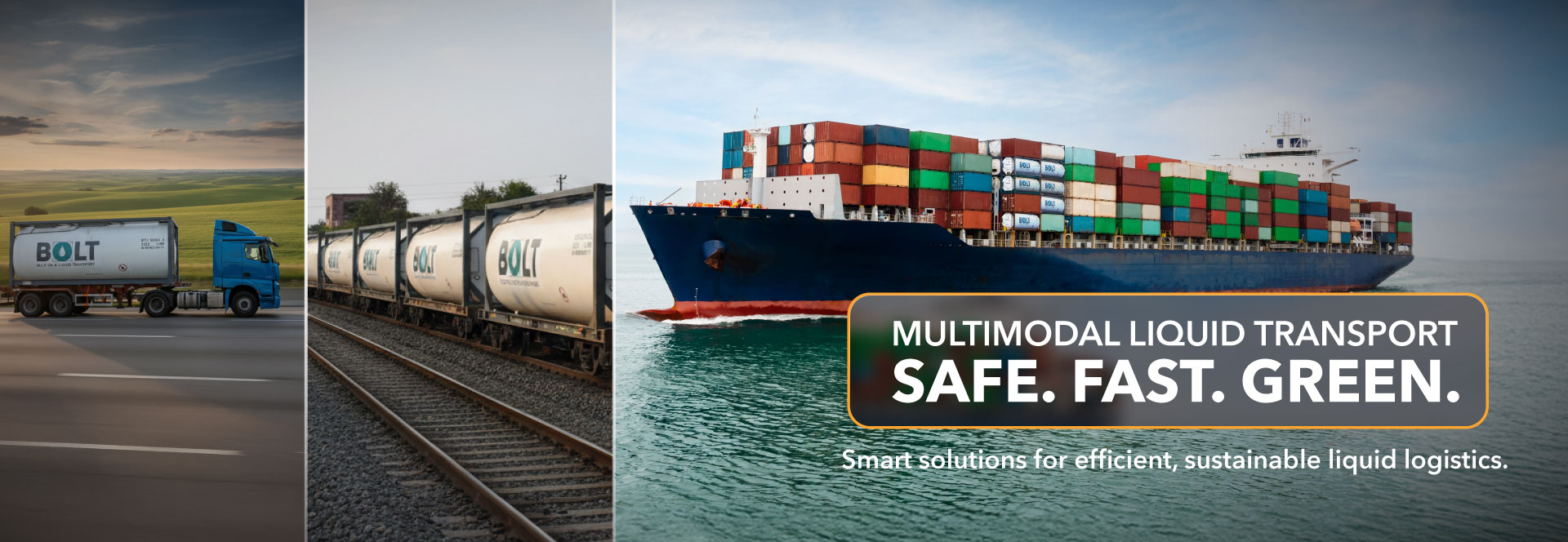
Multimodal Liquid Transport: The Future of Safe and Sustainable Supply Chains
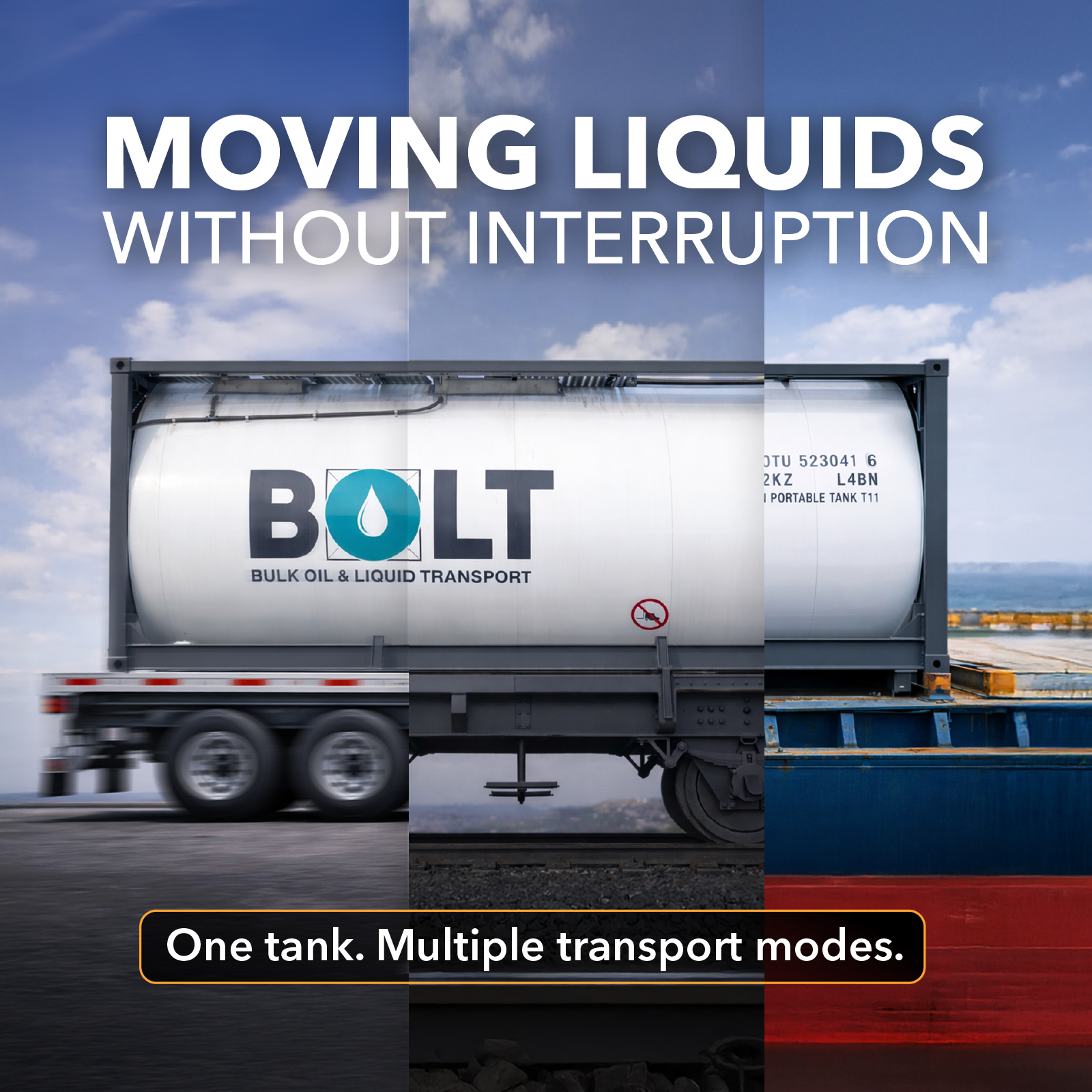
In an era where speed, safety, and sustainability define logistics performance, multimodal liquid transport is transforming how bulk liquids move across the globe. By seamlessly integrating road, rail, and sea under a single coordinated network, it enables cargo to travel efficiently, with minimal handling and maximum control.
What Is Multimodal Liquid Transport?
Multimodal transport refers to the use of two or more modes of transport for moving cargo under one contract, offering a unified and highly efficient supply chain model. For liquid logistics, this approach involves transferring tank containers or specialized tank trailers between transport modes—truck, ship, or rail—without any cargo transfer in between.
This method keeps the product sealed within its original container, significantly reducing contamination, leakage, and damage risks, while ensuring faster movement and simplified documentation.
Why Multimodal Transport Matters for Liquid Logistics
The liquid logistics segment, dealing with fuels, lubricants, chemicals, and food-grade products, demands a high level of safety and precision. Multimodal transport meets these standards through improved design, coordination, and monitoring:
- Safety: Fully enclosed tanks minimize product exposure and external contamination.
- Efficiency: Unified scheduling and digital documentation help reduce idle time and transit costs.
- Sustainability: Combining modes reduces emissions by leveraging rail and maritime routes over long distances.
- Flexibility: A multimodal network ensures continuity even when one route or mode faces constraints.
- Reliability: Consistent temperature control and sensor-based monitoring maintain product integrity.
ISO Tanks: The Backbone of Multimodal Liquid Movement
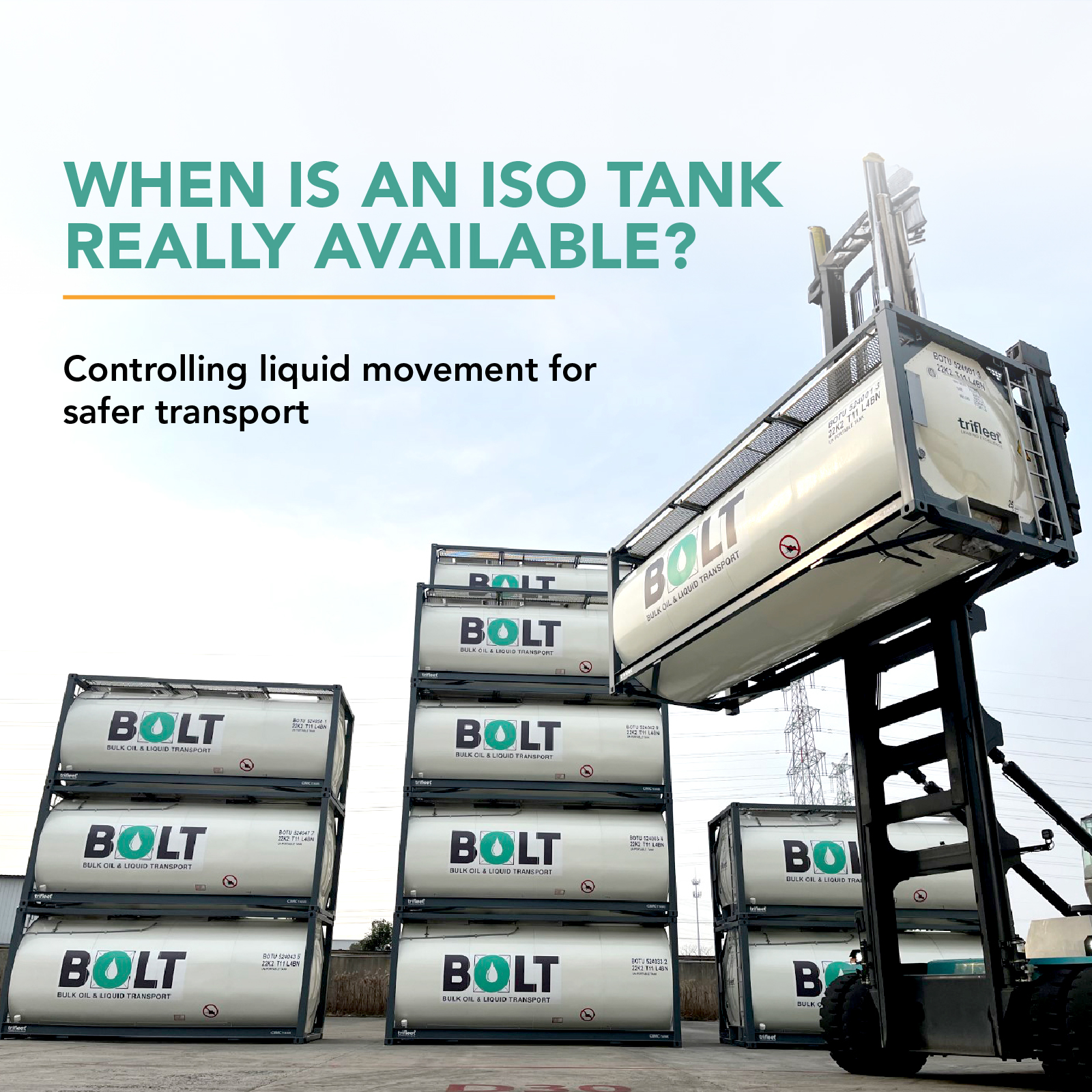
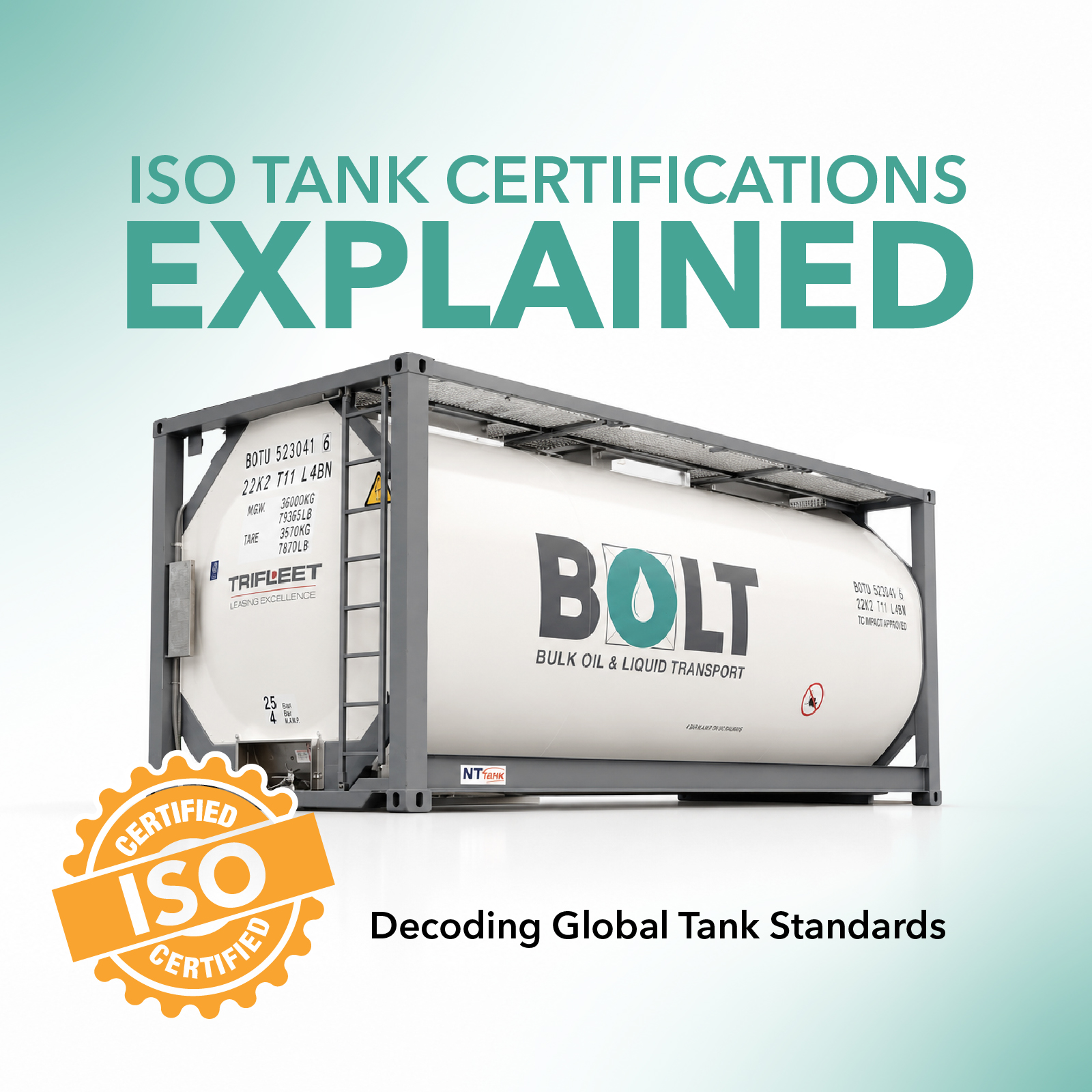
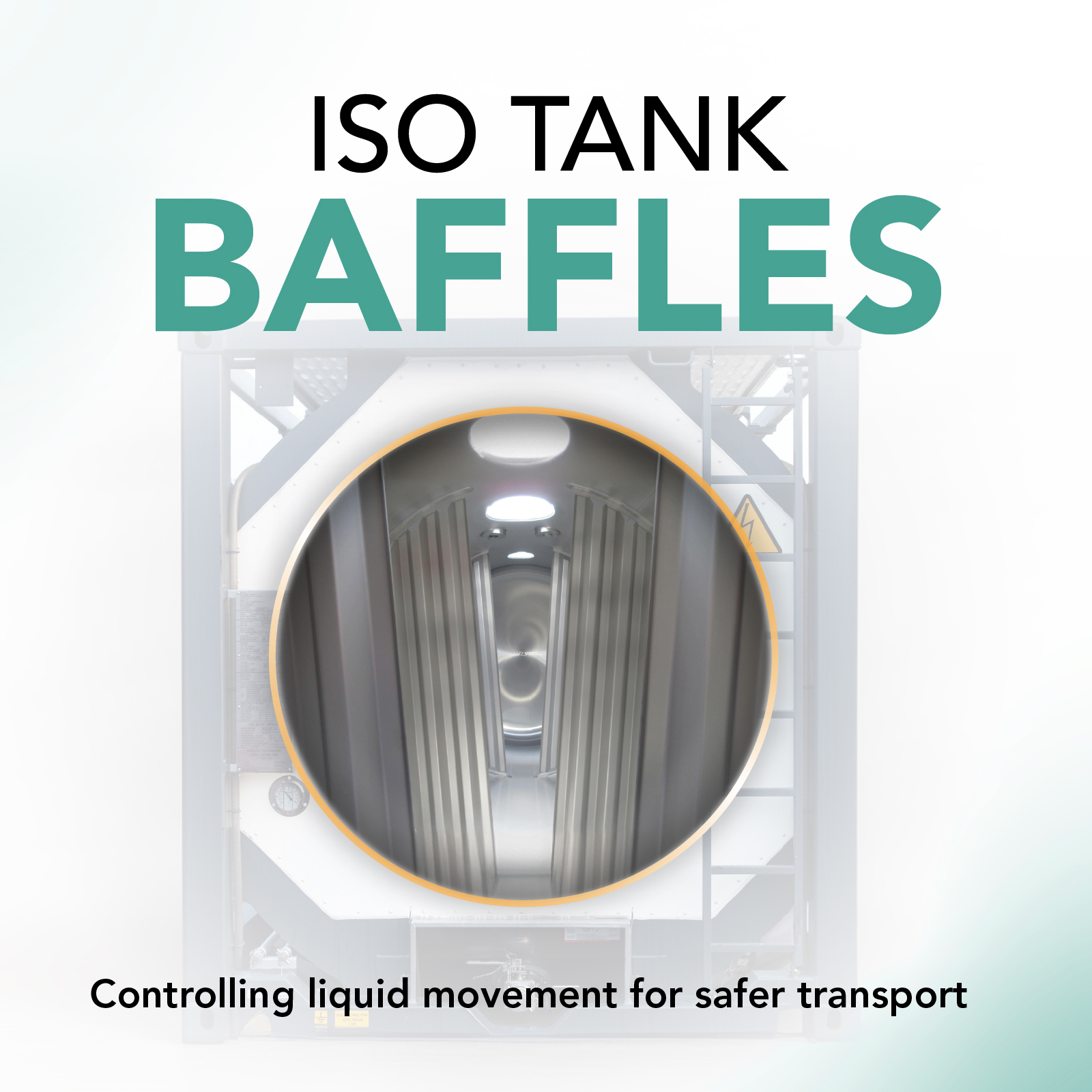
At the heart of this process lies the ISO tank container, built for intermodal compatibility and standardized to meet international safety norms. Each stainless-steel tank is enclosed in a protective frame that allows for easy stacking and secure transfers across transport mediums.
Recent innovations—such as IoT-based sensors, geolocation tools, and automated pressure control systems—have enhanced visibility and safety throughout the journey, ensuring that every drop arrives as intended. These smart capabilities are critical in an industry where product purity and traceability are paramount.
Strategic Advantages of a Multimodal Approach
Multimodal liquid transport is reshaping logistics by aligning efficiency with sustainability:
- Reduced Transit Times: Coordinated transport eliminates multiple transfers and warehouse dependencies.
- Lower Emissions: Rail and ocean routes provide eco-friendly alternatives to road transport.
- Standardization: ISO certification across equipment ensures global interoperability.
- Simplified Responsibility: A single logistics framework enhances visibility and accountability.
Challenges and Future Outlook
While multimodal systems are advancing rapidly, challenges remain in infrastructure readiness, regulatory harmonization, and asset standardization. Expanding intermodal terminals, improving last-mile integration, and digitizing customs workflows will be key to unlocking the full potential of this model.
The future of liquid logistics lies in intelligent, connected multimodal networks—where tanks, terminals, and transport modes operate as one unified ecosystem. As global supply chains continue to evolve, multimodal transport will remain the foundation of safer, cleaner, and smarter liquid movement worldwide.
Blog by: