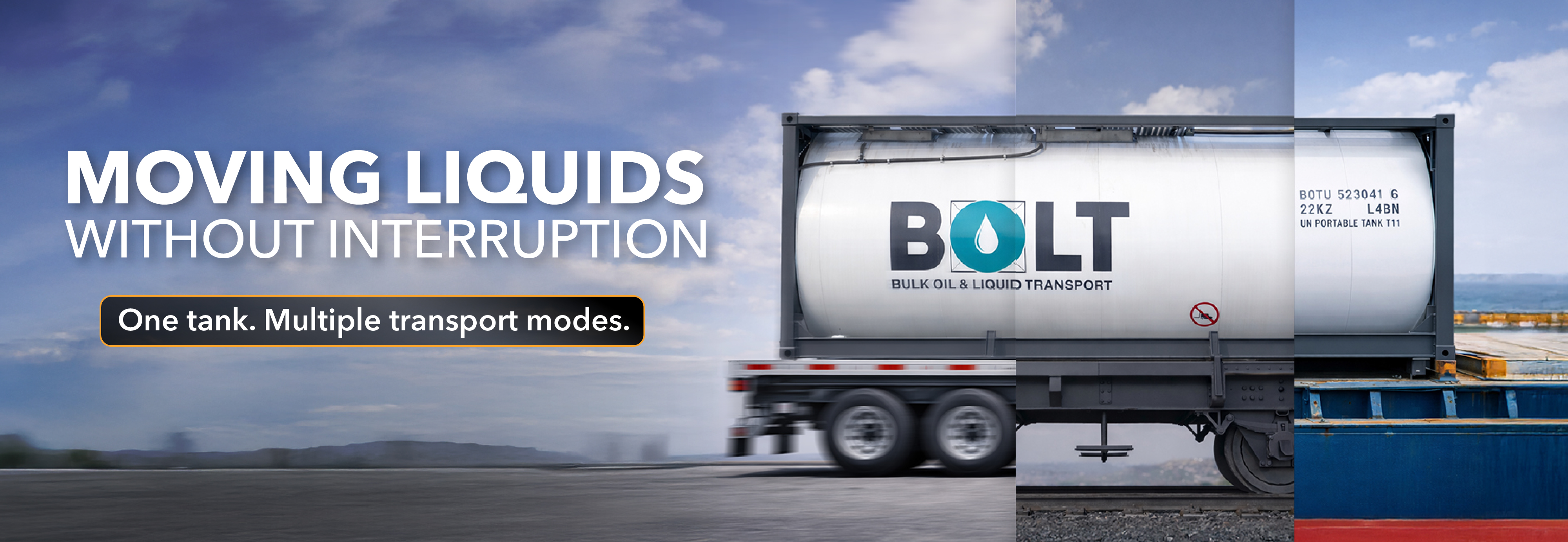
Seamless Movement: The Intermodal Advantage of ISO Tanks
Bulk liquid transportation often involves long distances, multiple handovers, and complex routing. Each transfer between transport modes can introduce delays, safety risks, and additional handling requirements. ISO tanks address these challenges through one of their most valuable features—intermodal connectivity.
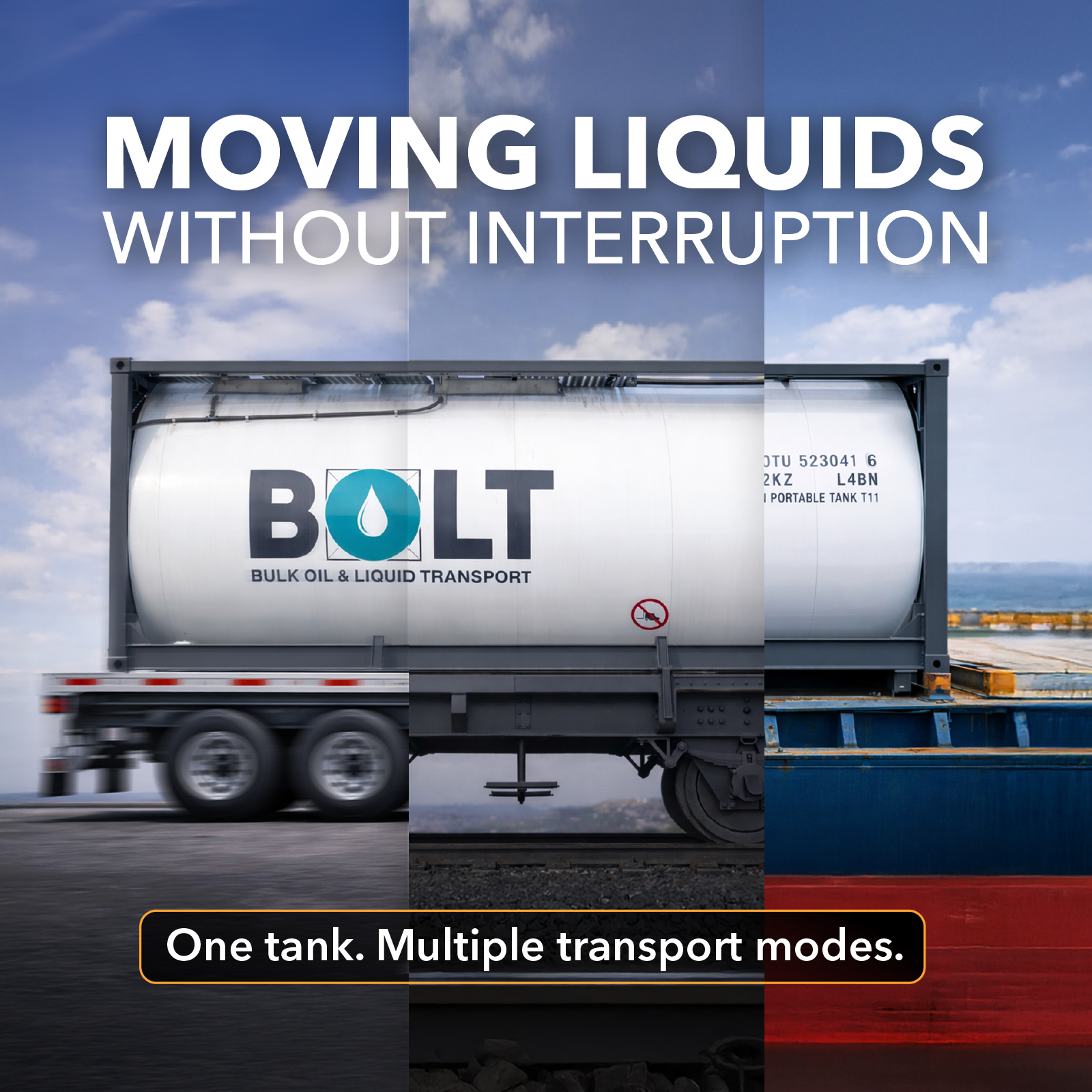
Designed to move efficiently across road, rail, and sea, ISO tanks allow cargo to travel long distances with minimal handling, improving both operational efficiency and cargo safety.
What Is Intermodal Connectivity?
Intermodal connectivity refers to the ability of a single container to be transported using multiple modes of transport without unloading the cargo itself.
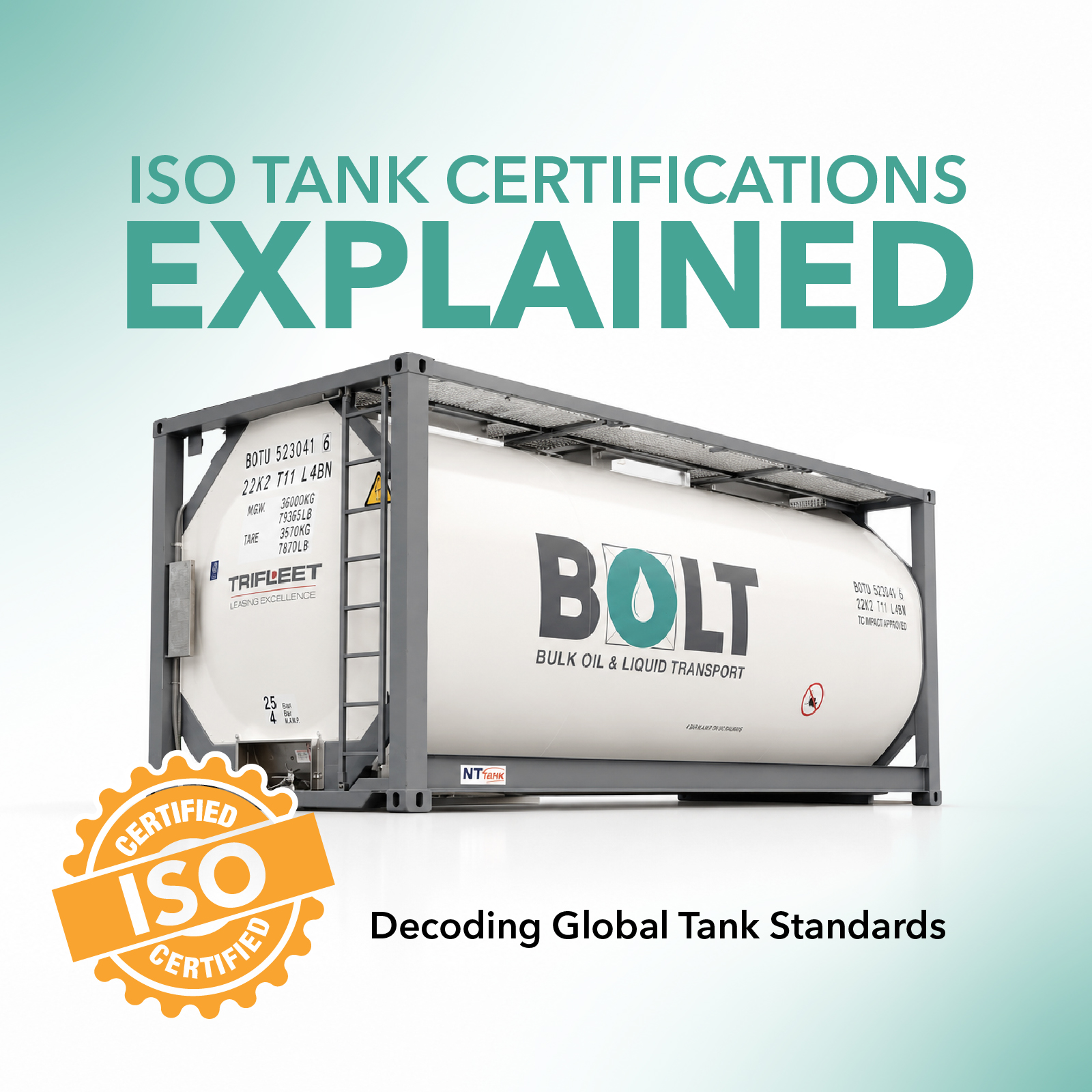
ISO tanks are built according to international standards, which means they can be handled using the same equipment and infrastructure worldwide. The standardized frame and corner castings allow them to be lifted, stacked, and secured on trucks, rail wagons, and vessels with ease.
This standardization is what enables ISO tanks to move seamlessly through global logistics networks.
How an ISO Tank Moves Across Modes
A typical shipment may follow a route like this:
- The tank is loaded at the manufacturer’s facility.
- It is transported by road to a rail terminal or port.
- The tank is shipped via rail or vessel to the destination region.
- It is then moved by road to the final delivery point.
At no stage does the cargo need to be transferred between containers. This reduces the risk of contamination, product loss, and delays.
Why Intermodal Capability Matters
Intermodal connectivity offers several important advantages:
- Reduced Cargo Handling: Since the liquid remains in the same tank throughout the journey, there is less exposure to external conditions and fewer handling risks.
- Improved Safety: Fewer transfers mean fewer opportunities for spills, leaks, or operational errors.
- Greater Efficiency: ISO tanks can move smoothly between transport networks, reducing transit times and improving planning reliability.
- Cost Optimization Over Long Distances: Using the most efficient transport mode for each leg of the journey helps optimize overall logistics costs.
- Better Cargo Integrity: Maintaining a closed system from origin to destination helps preserve product quality.
Planning Intermodal Tank Shipments: Key Considerations
While ISO tanks are designed for flexibility, effective planning remains essential. Shippers typically consider:
- Availability of suitable infrastructure at origin and destination
- Transit routes and scheduling
- Cleaning and inspection requirements
- Documentation and regulatory compliance
- Compatibility of cargo with tank specifications
Careful coordination between logistics partners ensures smooth movement across each stage of the journey.
The Role of Fleet Quality and Operational Expertise
Intermodal transport depends not only on container design but also on equipment condition, operational planning, and network coordination. A well-maintained and relatively young fleet helps reduce unexpected downtime and ensures consistent performance across long routes.
Equally important is experience in route planning, documentation, and coordination across multiple transport partners, all of which contribute to reliable deliveries.
Enabling Global Liquid Logistics
As supply chains become more interconnected, the ability to move cargo efficiently across regions is increasingly important. ISO tanks play a critical role in enabling this movement by combining safety, standardization, and flexibility in a single solution.
Intermodal connectivity is not just a design feature—it is a key factor in making bulk liquid transportation more reliable, efficient, and scalable for modern logistics networks.